

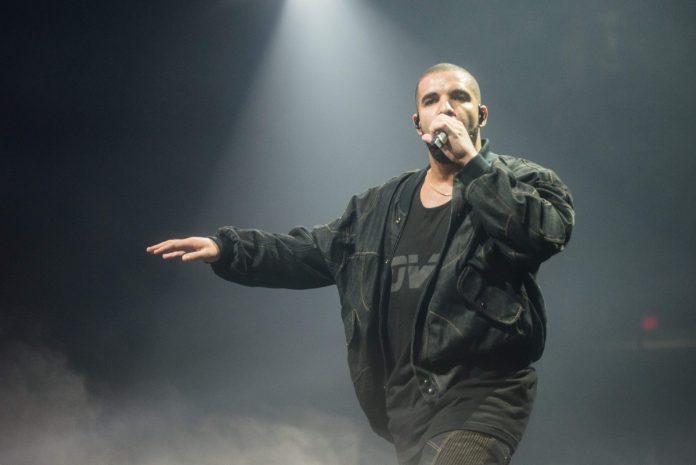
Drake continued his high-profile pastime of betting outrageous sums of money on a major sporting event – a trend which could be harmful to the wider gambling consumer market.
The Canadian rapper has been infamous for his lavish gambling over the years, often losing more than he wins as his bets go viral on social media, witnessed by millions of people in the younger age bracket.
His latest? A $300,000 loss on the final of the US Open at Flushing Meadows, as his backing of Jannick Sinner to beat Carlos Alcaraz failed to materialise, with the former winning in the four sets in the Grand Slam final.
Delving deeper into this topic, the overriding question remains: how harmful could his influence be on younger people?
Drake’s Stake partnership
As a reminder, Drake has been a global ambassador for crypto-betting platform Stake.com since 2022 and it has featured high-profile “Stake vs Drake” live streams, where Drake gambles millions on sports and casino games in front of an audience.
One of those included a stream with internet personality Adin Ross, where the duo played a slot game titled “Nine To Five”, in which they lost $100,000 in a single spin, whilst showing little remorse.
The optics and the sad irony that they were playing a game that featured office workers trapped in a rat race was a poor look.
Stake often leverages Drake’s cultural influence to appeal to a younger demographic of bettors, which has drawn industry scrutiny.
These high-profile partnerships blur the line between celebrity entertainment and gambling marketing – raising questions about whether such exposure normalises high-risk betting.
Overall, it sends a distorted message to ordinary bettors.
Putting the figures into context
With an estimated net worth of around $250m, according to one website, those figures suggest that he is only spending 0.12% of his total worth with the $300,000 stake of the US Open for an example.
For an average bettor, if someone has a $10,000 net worth, it would mean betting around $12 dollars on the same event.
Looking even deeper, one website charted his bets over time across 10 different sports for a total of 92 bets. That included 33 wins and 59 losses – meaning a £50 stake for each bet would return a negative balance of £1300.
It is a statistical run that would see the average bettor fall into the category of a problem gambler yet for Drake it is a drop in the ocean.
“The Drake Curse” has been a term formed by social media to describe the regularity at which the winner of a major sporting match, combat fight or tennis match, is typically the opposite of whatever backed by Drake.
The issue lies in the lavish lifestyle he is depicting at a time where problem gambling and youth gambling is a concern not only in the US, but around the world.
Notably, he hasn’t used his platform to educate or help people. If anything, his antics and deal with Stake are doing the opposite.
With the National Council for Problem Gambling July report stating that 15% of adults ages 18–34 reported concerning behavior, compared to 2% of those 55+, it highlights the concern of young people – especially given they are more likely to be swayed by someone like Drake.
It comes down to whether the industry is comfortable with role models whose gambling normalises unsustainable behaviour for ordinary consumers in which Drake has shown over time.