

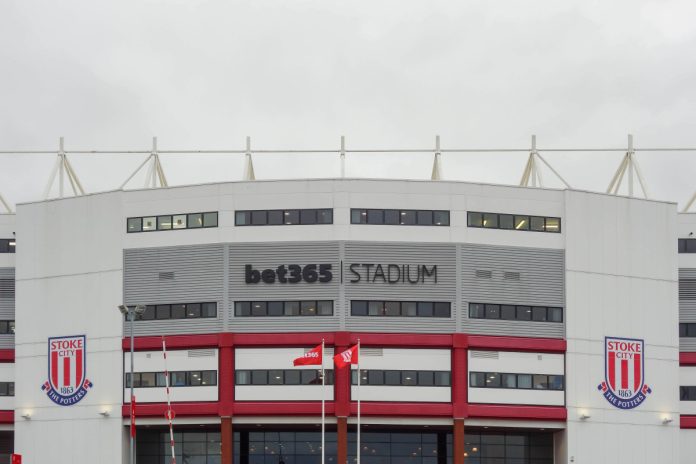
The UK Betting sponsorship landscape in football will continue to be key for clubs but the latest moves are said to pre-empt stricter government legislation.
With the Premier League’s landmark ban on front-of-shirt gambling sponsorships, set to take effect from the 2026/27 season, there is a debate over how clubs will find a way around the new ruling.
Furthermore, the topic of betting sponsorships with football clubs is a worldwide trend and, in some cases, the revenue that is brought in from the deals can be significant for clubs in certain countries and some clubs and leagues may not survive without them.
Speaking on Episode 575 of the iGaming Daily Podcast, the SBC trio of Fernando Noodt Molins, Media Manager for SBC, Insider Sport business journalist Kieran O’Connor, and iGaming Expert’s Christian Lee broke down the latest topic.
Breaking down the latest ruling on the betting sponsor front-of-shirt ban, Lee said: “I think they will have some impact on visibility given the fact that the front of the shirt is the most prominent place for a sponsor to be.
“However, I think in a way all it sort of does is just shift gambling sponsorship elsewhere. Gambling is so entrenched in football at this point that when they do bring this front of shirt sponsorship ban in place, brands will just find another way to be involved through deals such as sleeves sponsorships or training kit sponsorships. It’ll just stay just as valuable for the brands and football.”
One area that could be affected by the ban is revenues for clubs. Not just in the UK, but abroad as well. In fact, 14 of 31 European leagues have betting title sponsors and in some countries, such as Italy or Spain, they have government-led bans, whereas others (UK) have league-led bans.
Given that many leagues rely on gambling revenue and would struggle financially without it, there is a worry that stronger regulation could hit the clubs where it hurts most: financially.
Lee said: “Money from the gambling industry is sort of intrinsically linked and is financing large sections of European football.
“European football in a way can’t really afford or a lot of leagues in Europe can’t really afford to go down the same route as the UK because they are, the whole league has been financed in a way by betting sponsorships so it’s certainly an interesting time.
Additionally, the conversation continued into what the future could look like in terms of regulation for gambling in football in emerging markets in the likes of South America, including Argentina, Brazil and Chile.
Noodt said: “I think the industry needs to step up in these countries that are still developing their own industry and educate the people and saying hey, okay look, these are the brands that are allowed to operate in your country, in your market – I think the industry needs to do some work from within not only to analyse how to they want to promote themselves.
“Within these markets and every market in the world actually, but also to get in touch with the regulators, with the lawmakers and letting them know this is what we bring to the table and this is how we should be doing things.
“Unregulated betting brands will still promote themselves without any prerogative and also you’ll be cutting the funds that come into football which in South America are very important because of course we are very much behind Europe or the US or other markets that have more money and are more competitive, so the betting money is off of a lot of help for these countries.”